PasturePro logo

FAQs

What is a PasturePro post?

A PasturePro post is a wood-plastic composite post. Unlike typical wood-plastic composite products, however, a PasturePro post is oriented using a patented process that results in a lighter, stronger and more flexible post.

What do you mean by "oriented"?

The orientation process is what sets our product apart from all other fence posts and composite materials on the market. To apply the forces that result in orientation, GFC uses a process similar to metal strengthening methods such as rolling, drawing, or forging. Much like wood, the properties in this oriented material are significantly higher along the grain than in other directions. This process creates a material that is half the weight and twice the strength of other wood-plastic composite materials.

What materials are in these posts?

Our products consist of reclaimed wood flour, polypropylene, and a small percentage of process additives such as pigments and UV inhibitors.

Our products do not contain PVC or fiberglass and we take great care in avoiding the use of hazardous materials during our manufacturing process.

Do they qualify for cost-share programs?

We have to take that one on a state-by-state basis. Here is a rundown of the current cost-share status for PasturePro posts:

State Status Supporting Documents
Missouri Approved 382_Fence_Electric_Spec_908

Why use polypropylene and not other plastics?

After looking at our options, we quickly determined that the best plastics were polyethylene (PE) and polypropylene (PP). We chose PP because we were looking for a polymer that had the ability for a high draw ratio and a large increase in tensile strength as a result of the drawing process. In other words, we can create a lighter weight yet very stiff product by using PP. We also liked that PP is a widely used plastic, is BPA free and considered "food-safe" and can be recycled.

Why not use fiberglass?

A number of reasons. Handling the material in our manufacturing process introduces hazards that are expensive to control. There are also environmental considerations when sawing/machining finished posts, and post production recycling the plastic with fiberglass is very difficult and expensive.

Most importantly, fiberglass does not bring any performance benefit to these posts, and our customers would also have to take some extra steps handling the posts in the field. It is advised by most fiberglass rod manufacturers that you wear gloves when handling their products. Our PasturePro posts will not give you splinters like fiberglass rods.

Is a special cap needed to drive the post?

No, unlike fiberglass posts which require special caps, nothing extra is needed when driving PasturePro posts. They have been heat-treated on top and are tough.

Can PasturePro posts break?

When bent to extremes the rod can produce a bulge, but it's next to impossible to break it in two.

Do they stay in the ground better than fiberglass rods?

Yes. Unlike fiberglass posts, PasturePro posts have excellent ground-retention properties.

How does a PasturePro post compare to a t-post?

In addition to being lighter, PasturePro posts are self-insulated, which helps to ensure that the voltage on the wire stays on the wire, instead of being leaked through a cracked, broken or faulty insulator.

Hi-tensile wire can stretch and return when stressed and a PasturePro post allows it to do so by flexing with the wire, in contrast to the rigidity of a t-post and insulator. A t-post is really just a ground rod with an insulator attached, and each individual insulator is a liability to your fence. T-post insulators often get pulled off or break, resulting in a short.

How do you drive them?

These posts are driven with a manual post driver just like those used for steel t-posts. You will notice that they have a little more spring (bounce) to them, but if you can drive a steel t-post you can drive these posts. We do recommend a pilot driver in extremely hard or rocky soil.

How is the wire attached?

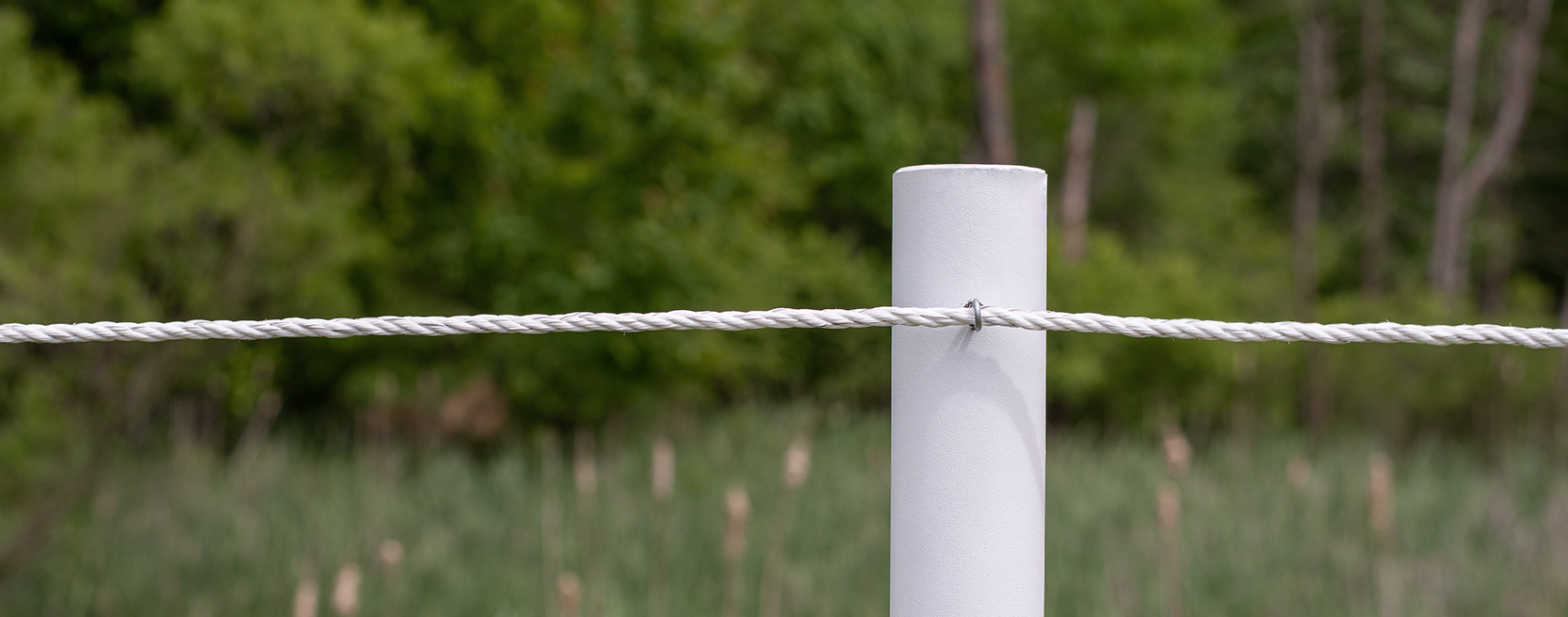
The wire is attached to the post with a cotter pin through a drilled hole.

Are the posts pre-drilled?

No, but these posts can be easily field drilled with any cordless drill. There is virtually no bit run off due to the surface texture and softness of the material. Drilling these posts is about like drilling softwood. We also feel that pre-drilling and having unused holes will weaken any post. Our overall recommendation is to drive the posts, then drill in the field. This will give you a better overall finished product and allow for hole spacing options where you have terrain challenges.

How do you remove these posts?

PasturePro posts are permanent fence posts, but there are times removing posts is necessary. We've found the best is either using a t-post puller or using a pipe wrench low down on the post and turning while applying upward pressure.

Are different colors available?

Our standard colors are white, black, and cedar. White is our most commonly produced color. Custom colors are possible by adding different pigments. Please call for pricing on custom colors and note that additional lead times and minimum quantities do apply.